Neutrino Physics: Fundamentals, Frontiers, and Probes
A 35-minute review (2026)
Neutrinos in the Standard Model
- Three flavors: \(\nu_e\), \(\nu_\mu\), \(\nu_\tau\)
- Neutral spin-\(1/2\) fermions
- Produced and detected through the weak interaction
- In the minimal renormalizable Standard Model, neutrinos are massless
Oscillations show that at least two neutrinos have nonzero mass.
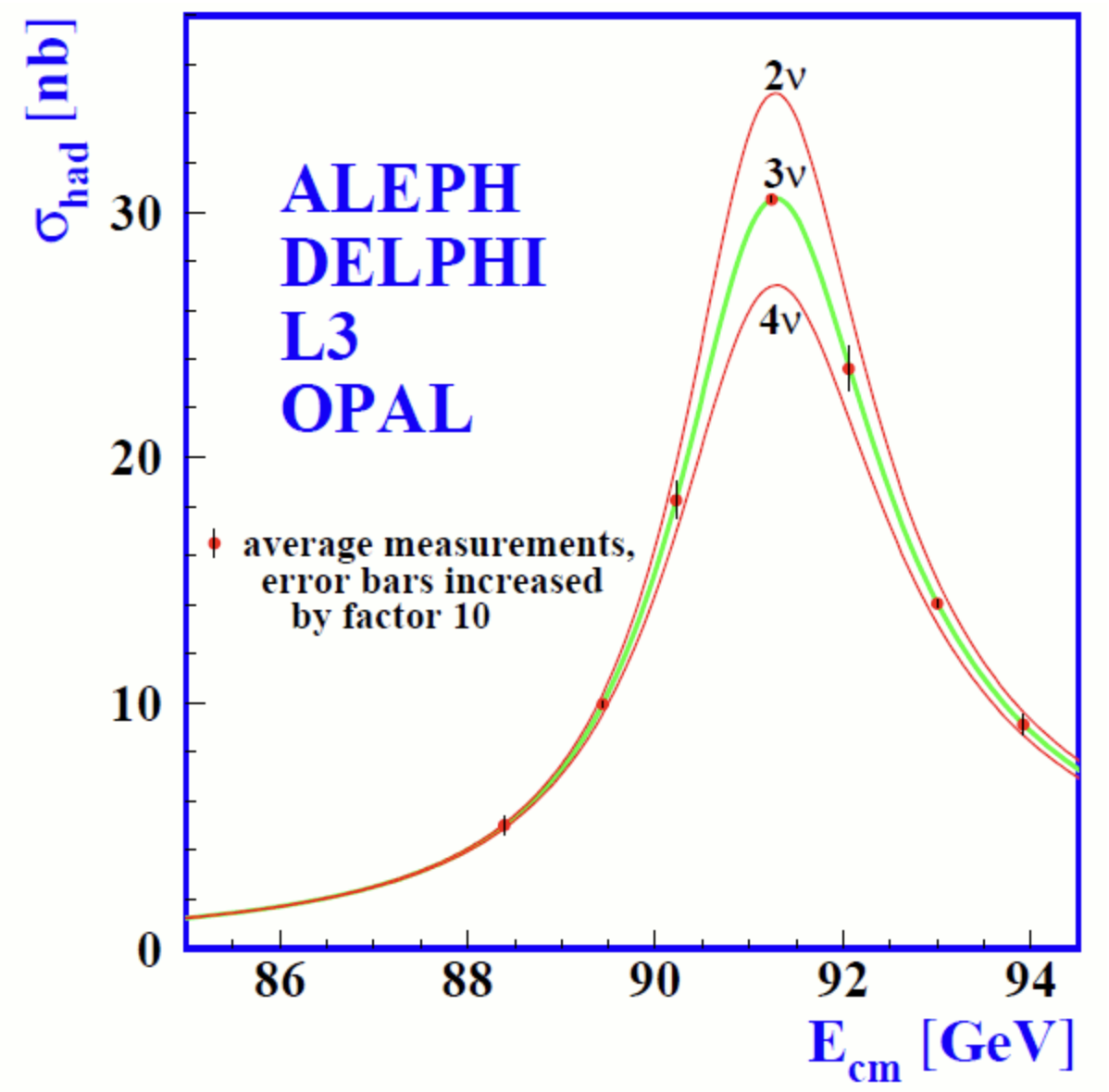
The invisible width of the \(Z\) is consistent with three light active neutrinos.
JUNO reads the interference pattern
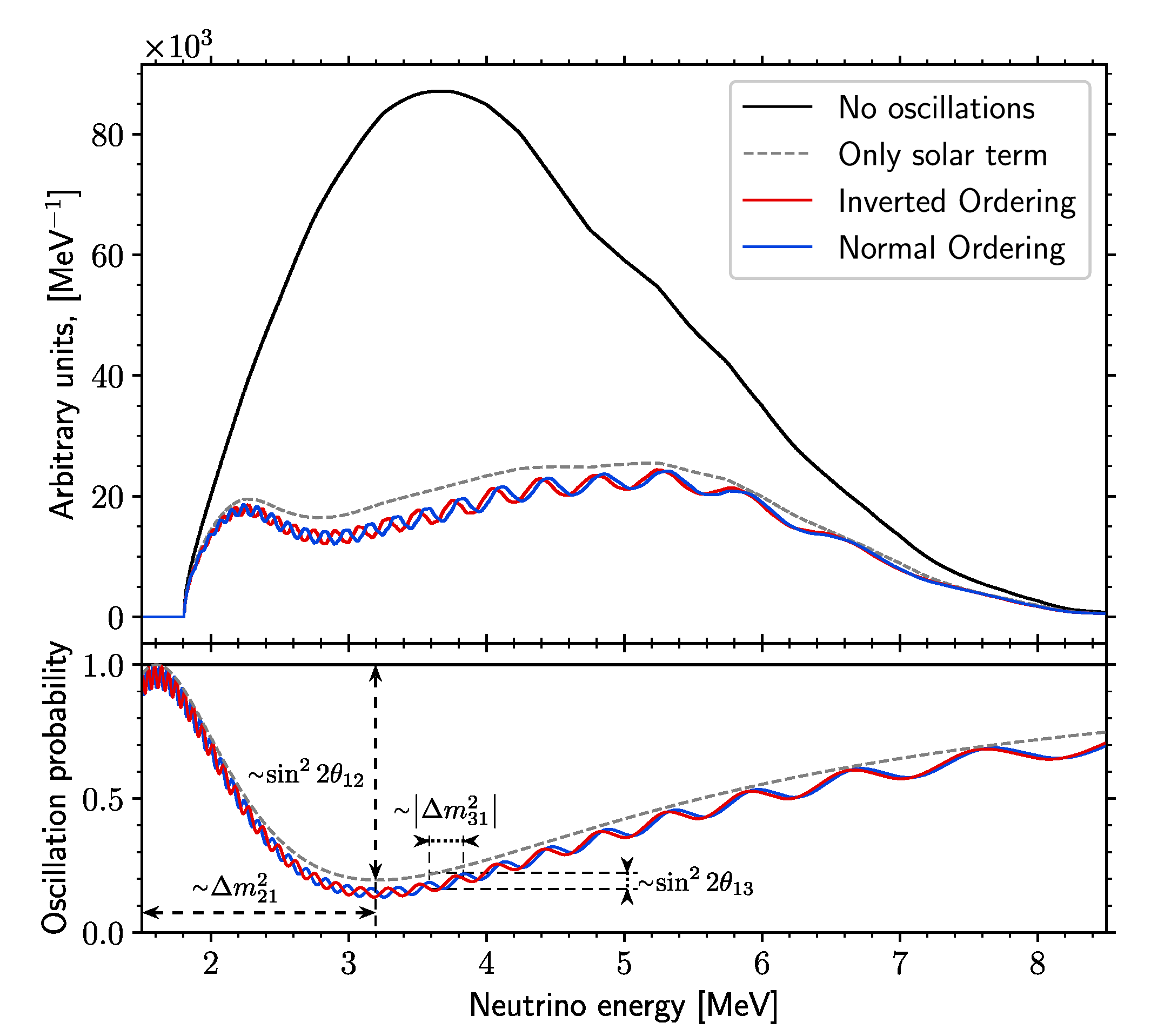
- Reactor antineutrinos travel about 52.5 km to the detector.
- Fine spectral ripples carry information on the ordering in a vacuum-dominated measurement.
- A 20 kt liquid-scintillator target and precise energy response make the ripples measurable.
- TAO and Daya Bay constrain the unoscillated reactor spectrum.
JUNO: one detector, a broad physics program
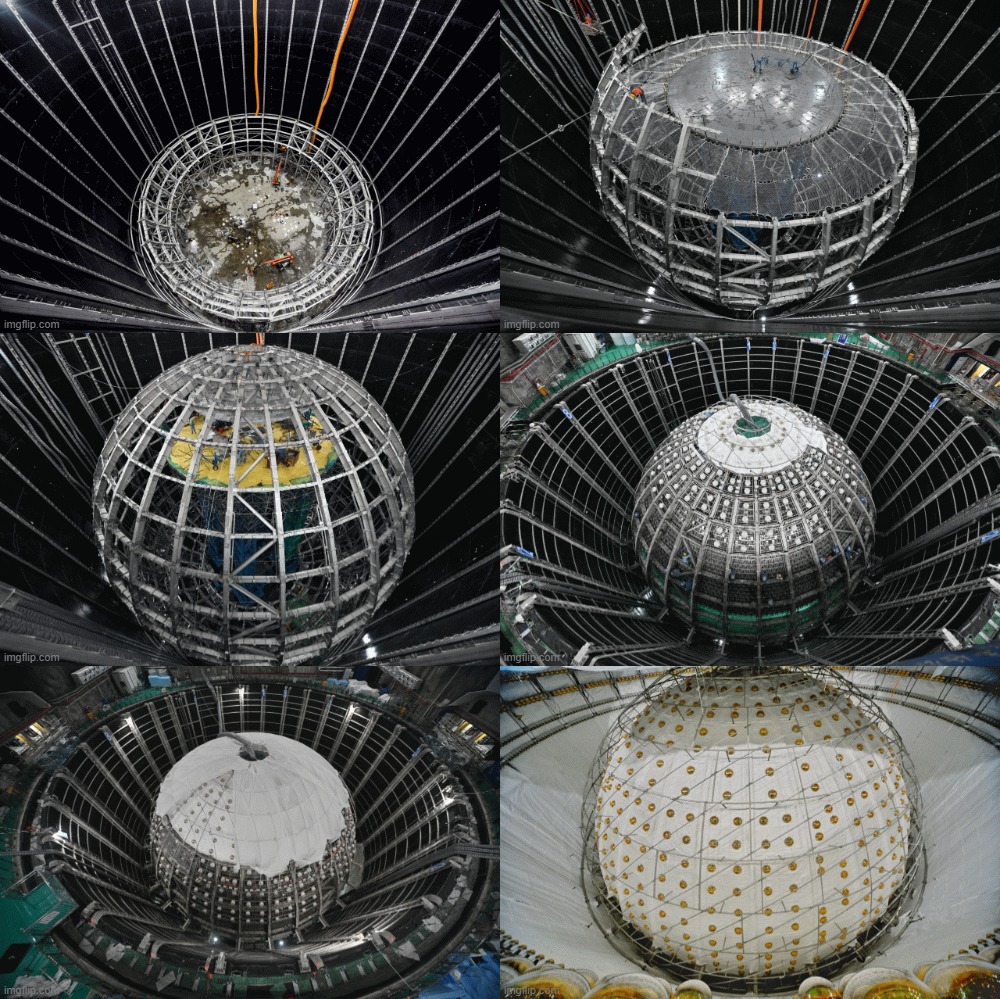
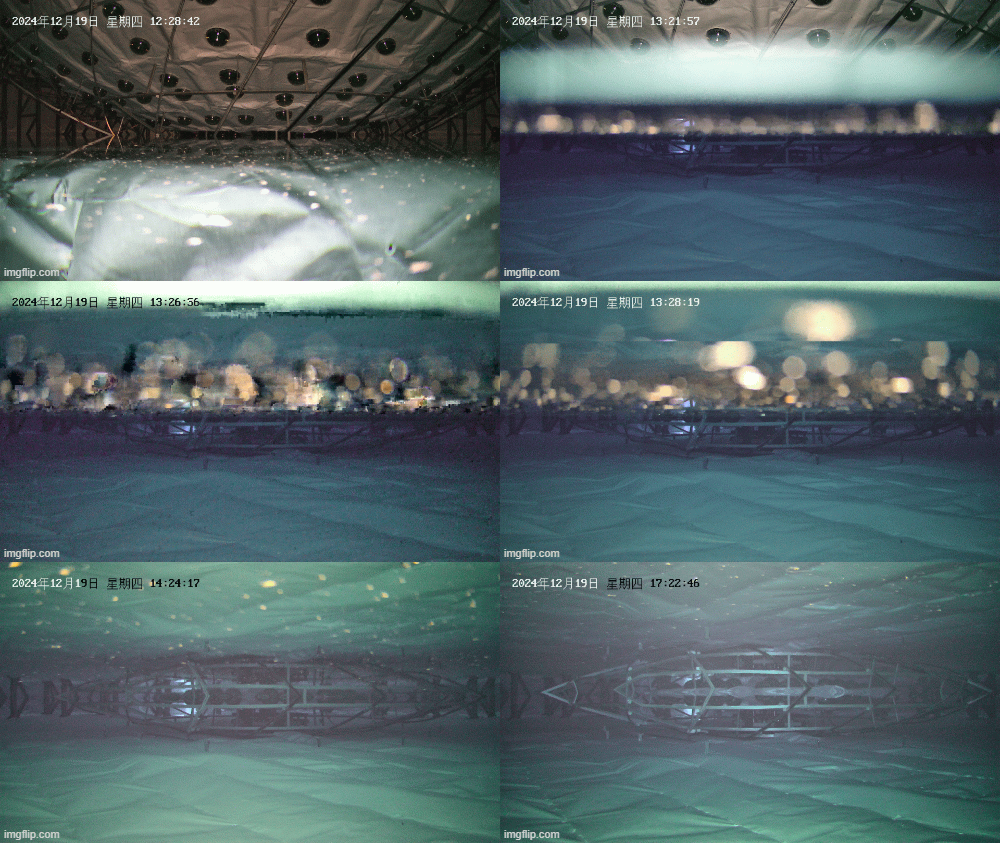
Run the cosmic clock: the proton remains. The candidate button then illustrates a possible signal.
What is the neutrino mass?
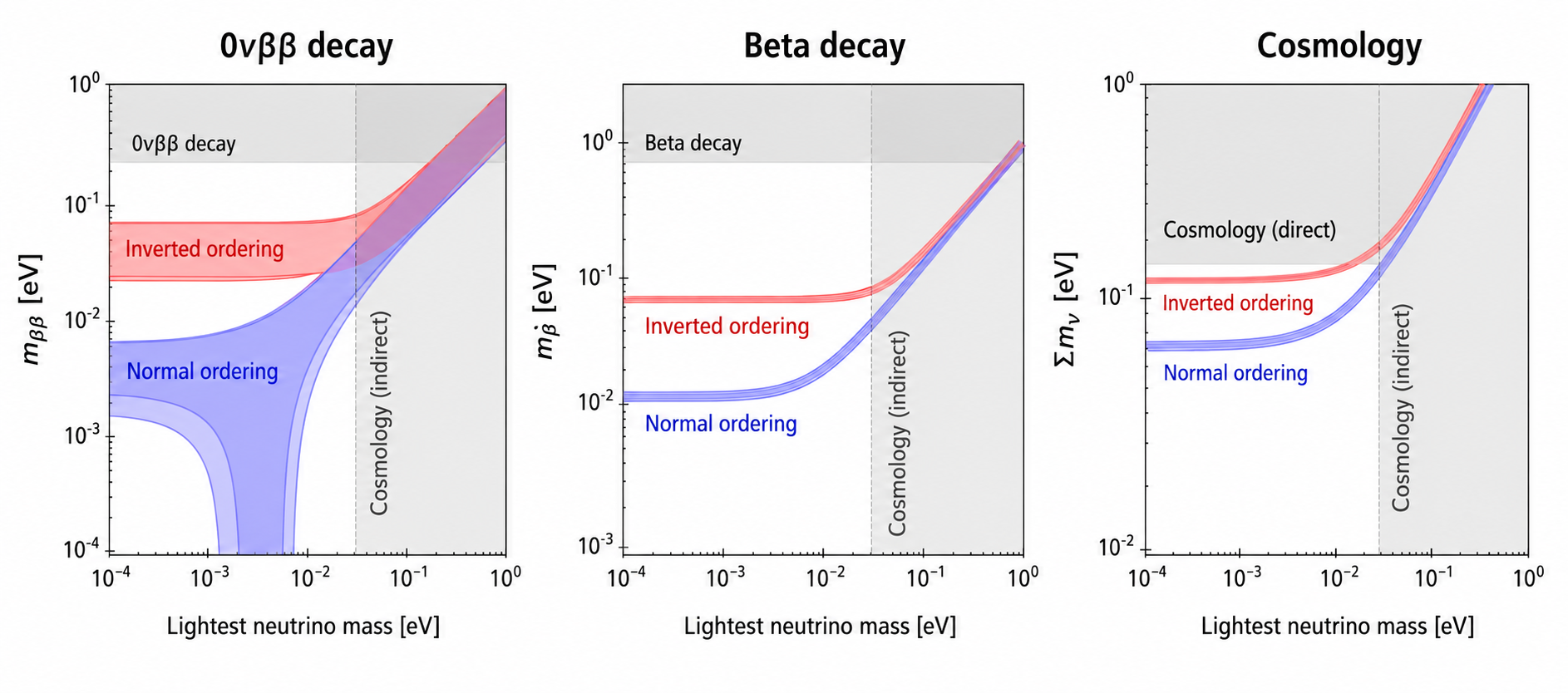
| Observable | Sensitive to |
|---|---|
| Oscillations | Differences \(\Delta m^2_{ij}\) |
| Beta-decay kinematics | \(m_\beta^2=\sum_i|U_{ei}|^2m_i^2\) |
| Cosmology | The mass sum \(\sum_i m_i\) |
Oscillations set the spacing of the spectrum, not its absolute position.
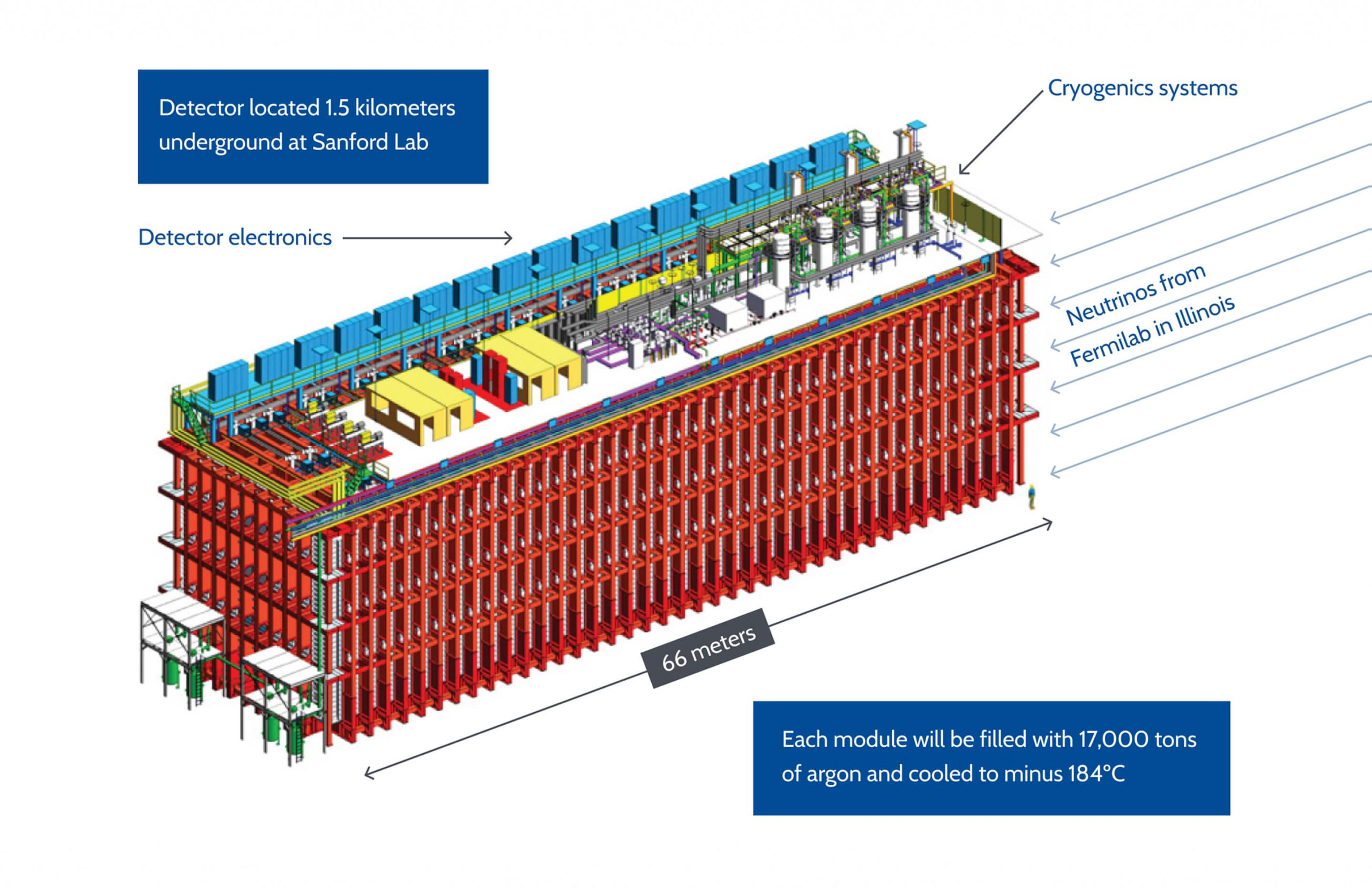
DUNE: a 1300 km matter baseline
- A beam from Fermilab reaches the far detector in South Dakota.
- The long baseline strengthens the matter effect, helping separate ordering from CP effects.
- Near and far measurements constrain the beam and interaction model.
- Appearance channels compare \(\nu_\mu\to\nu_e\) with \(\bar{\nu}_\mu\to\bar{\nu}_e\).
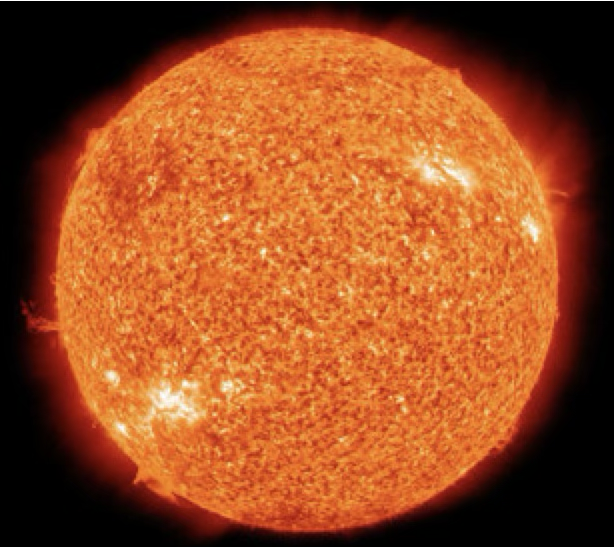
Looking inside the Sun
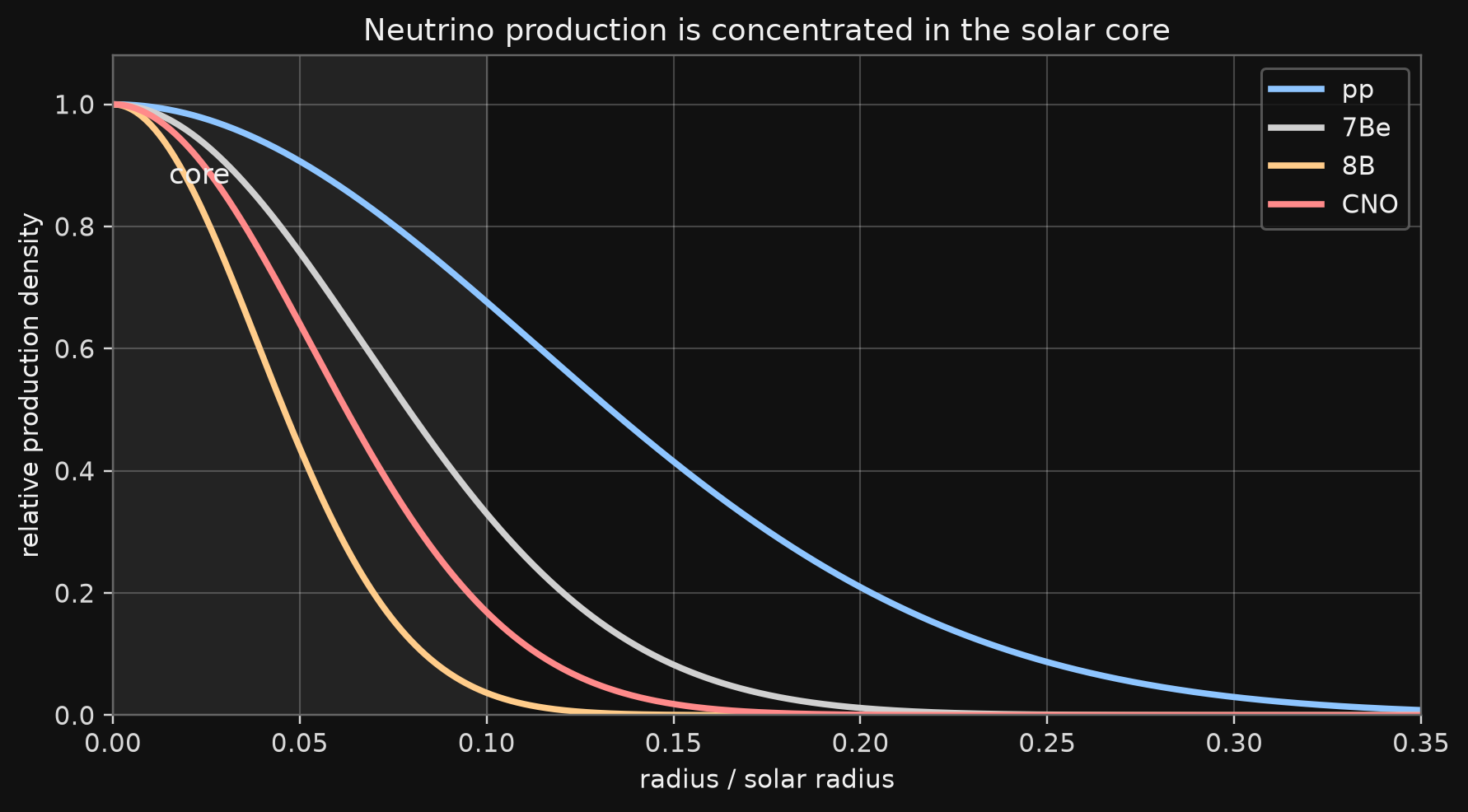
Solar neutrinos provide a direct, real-time view of nuclear reactions in the core.
Different components probe different reactions, temperatures, and production radii.
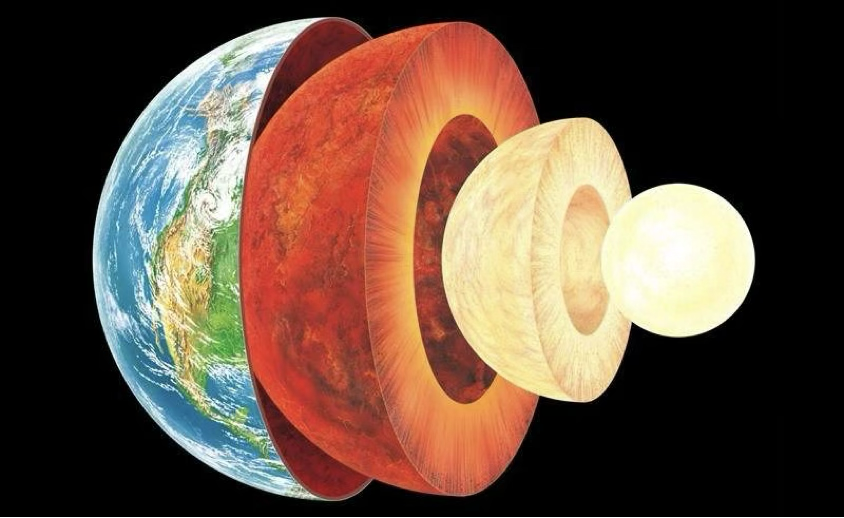
Looking inside the Earth
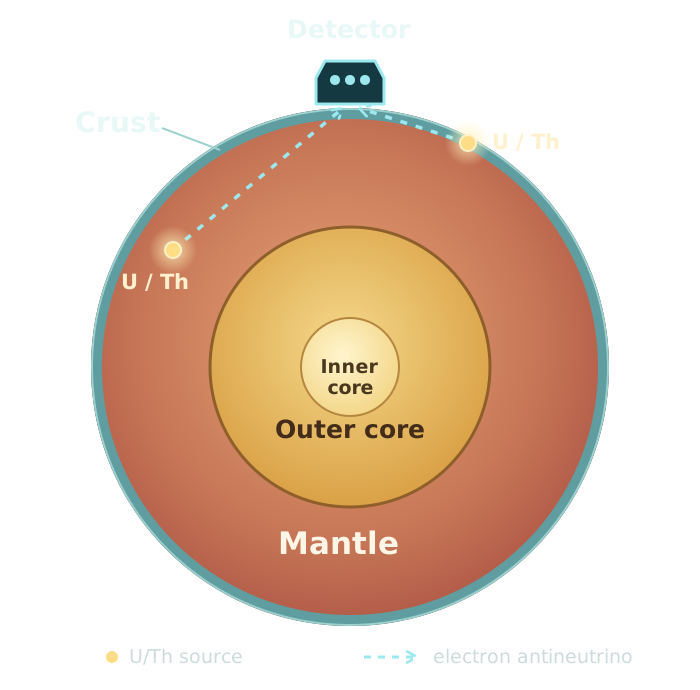
Crust enlarged; paths illustrative. Layers: USGS · U/Th sources: Borexino.
Electron antineutrinos from the \(^{238}\)U and \(^{232}\)Th decay chains reveal:
- the radiogenic contribution to Earth’s heat;
- the distribution of heat-producing elements;
- the difficult separation of crust and mantle signals.
Geoneutrinos connect particle detection to the planet’s thermal history.
Supernova neutrinos
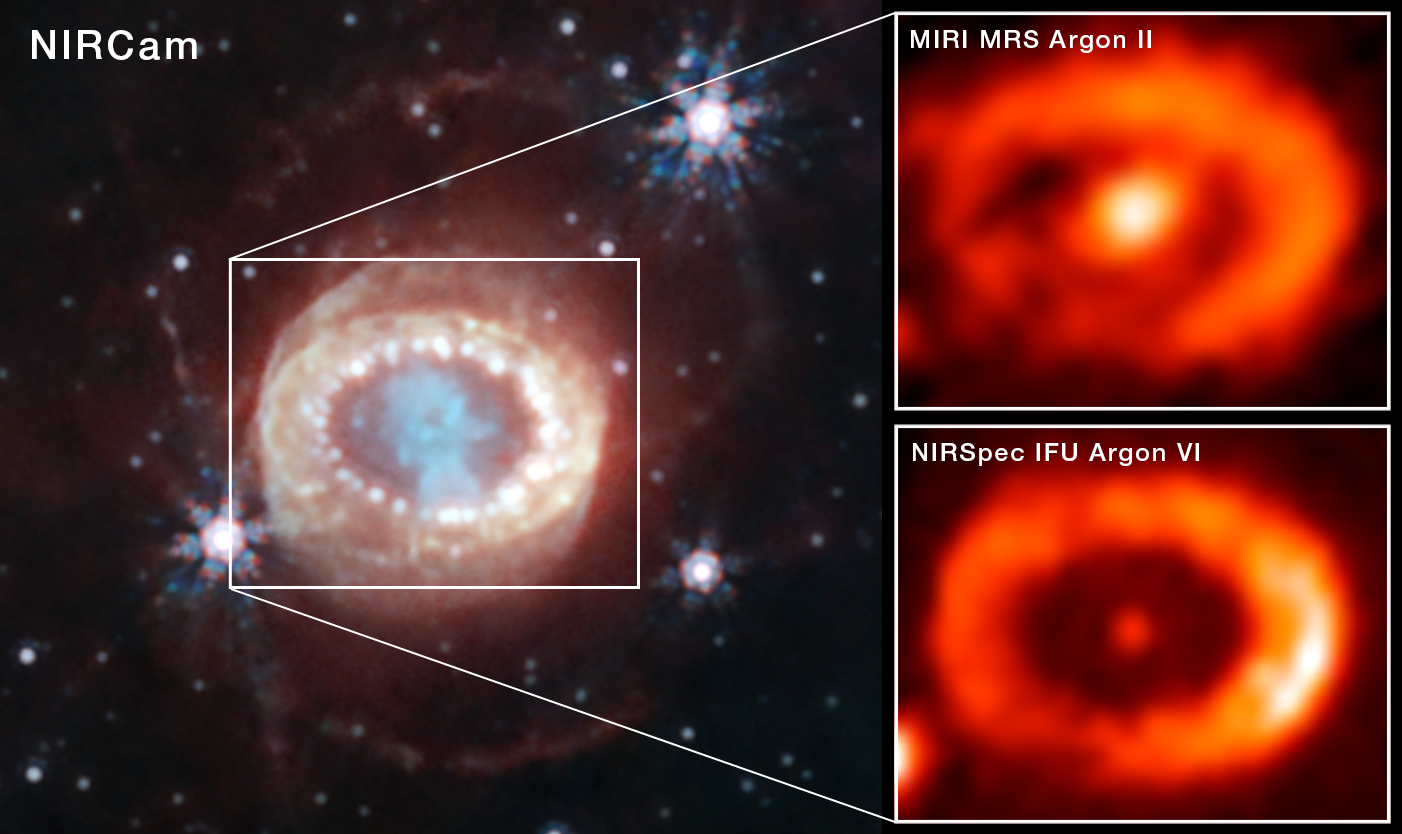
The roughly two dozen neutrinos detected from SN 1987A opened neutrino astronomy beyond the Sun.
A future Galactic event could resolve:
- collapse and core bounce;
- accretion dynamics;
- proto-neutron-star cooling;
- flavor transformation in extreme matter.
Baikal-GVD
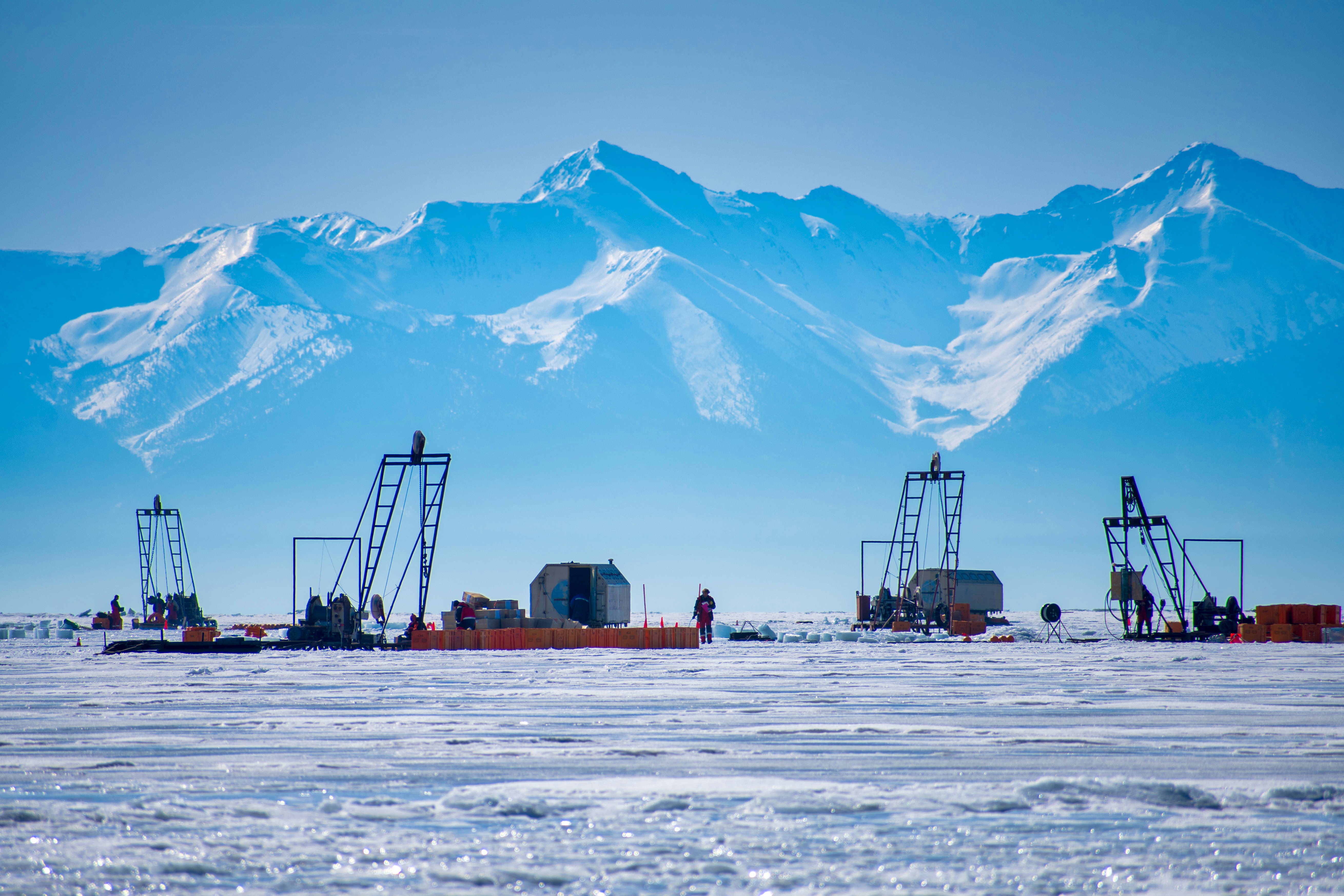
Deployment on Lake Baikal. Photo: B. Shaybonov.
A cubic-kilometer-scale telescope uses deep, clear lake water as both target and Cherenkov medium.
The program addresses:
- the diffuse astrophysical flux;
- searches for point-like sources;
- the Galactic plane;
- multimessenger coincidences.
Want to go deeper?
We teach this field from the ground up: a two-year online program, Neutrino Physics and Particle Astrophysics («Физика нейтрино и астрофизика частиц»).
- More than 30 courses in four modules
- A theory track or an experiment track, with research projects
- Stipends for students who continue into the second module, from March 2027
- Courses are taught in Russian

Join us.